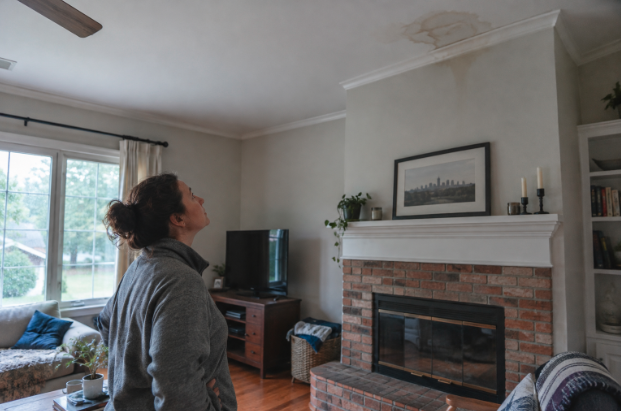


Metro Atlanta homeowners often notice chimney trouble only after a ceiling stain, smoky fireplace, or loose brick creates an urgent problem. Rain, changing temperatures, and normal wear and tear can expose weak mortar, damaged flashing, and worn chimney components over time. If you have noticed changes around your fireplace or chimney, visit us today to explore repair options for Atlanta-area homes.
Why Early Chimney Signs Matter
A chimney is part of a venting system that carries smoke and combustion gases outdoors. When masonry, the flue, or the components around the roof opening deteriorate, moisture and combustion byproducts may take unintended paths. Small defects can worsen when materials repeatedly get wet, dry, expand, and contract. For example, a faint yellow mark on an upstairs ceiling may appear minor, but it can be the first visible clue of water entering near the chimney crown or flashing.
Homeowners do not need to diagnose the exact cause from the ground. The goal is to recognize a change, document it, and arrange an evaluation before a manageable repair turns into extensive masonry or interior restoration.
Exterior Warning Signs
Start with a safe ground-level view of the chimney, using binoculars if necessary. Avoid walking on a steep, wet, or unfamiliar roof. Look for missing or crumbling mortar between bricks, cracked or flaking brick faces, and pieces of masonry on the ground near the chimney base. White, powdery residue on brick, called efflorescence, can indicate that moisture has migrated through the masonry and left behind minerals.
Also watch for a cracked chimney crown, a damaged cap, loose flashing where the chimney meets the roof, or rust streaks below metal parts. These details do not always identify the source of a leak on their own, but they are useful observations to share with a qualified chimney professional.
Interior Warning Signs
Indoor clues matter just as much. Check the ceiling and walls near the fireplace, chimney breast, attic access, and upper-floor rooms for stains, peeling paint, soft drywall, or a musty odor after rain. Rust on the damper, fireplace doors, or firebox can also suggest unwanted moisture. Loose fragments in the firebox, persistent drafts, unusual odors, or a fire that performs poorly deserve attention.
Carbon monoxide is colorless and odorless, and properly placed alarms are an important safety layer. However, the EPA explains that carbon monoxide alarms are not a replacement for proper maintenance of fuel-burning appliances, fireplaces, and chimneys. Test alarms according to their manufacturer’s instructions and respond seriously if one activates.
How to Spot Water Damage
Water is a common driver of chimney deterioration because it can enter at the top, along roof flashing, through open mortar joints, or around damaged masonry. It may travel before it becomes visible indoors. Photograph stains and cracks after heavy rain so you can compare their size, color, or location over time. New staining, growing cracks, damp trim, and rust after storms are useful signs that the condition may be active rather than old.
Common Moisture Clues
- Brown or yellow marks on ceilings or walls near the chimney.
- Peeling paint or bubbling finishes around the fireplace.
- Pale mineral deposits on exterior brick.
- Rust on dampers, fireplace doors, or other metal components.
- Cracks that appear to widen after rainy periods.
Signs of Structural Movement
Structural movement requires more urgency than ordinary surface discoloration. A chimney that leans away from the home, separates from the exterior wall, shows stair-step cracking across several brick courses, or bulges in one area should not be ignored. Gaps around the roofline and loose bricks can mean the chimney stack or its support is compromised.
Do not use a visibly leaning or shifting chimney until it has been assessed. Movement can affect the flue as well as the masonry, and falling brick or mortar presents a direct hazard below.
When to Stop Using the Fireplace
Convenience should never outweigh potential combustion or structural safety issues. Stop using the fireplace and arrange an inspection if smoke or strong fumes enter the room, the damper will not operate correctly, large pieces of liner or masonry fall into the firebox, or there is a strong burning odor after a fire is out. Stop immediately if the chimney appears to be leaning or separating from the house.
If a carbon monoxide alarm sounds, occupants feel unwell, there is heavy smoke indoors, or an active fire is suspected, leave the building and contact emergency services. Do not re-enter simply to investigate the fireplace.
What a Professional Inspection Can Reveal
A visual walk-around can reveal obvious changes, but it cannot confirm the condition inside a flue or behind roof-level components. A professional inspection can assess accessible masonry, the crown, cap, flashing, firebox, damper, smoke chamber, and flue. It may also identify deposits, blockages, moisture paths, liner damage, or evidence of a chimney fire.
The Chimney Safety Institute of America advises that chimneys, fireplaces, and vents should be inspected at least once a year, with cleaning, maintenance, and repairs performed as needed. An inspection is particularly important after a chimney fire, severe storm, major roof work, or earthquake.
A Simple Chimney Checkup
- Look from the ground for leaning, cracks, missing mortar, or fallen debris.
- Inspect nearby ceilings and walls for fresh stains or soft finishes.
- Operate the damper only if it moves freely and safely.
- Test smoke and carbon monoxide alarms.
- Look for signs of nesting animals, leaves, or other visible blockage near the chimney top.
- Check when the chimney was last professionally inspected.
Repair, Rebuild, or Monitor?
The right response depends on the cause, location, and extent of the damage. Minor cosmetic wear without moisture or movement may only need monitoring. Localized damage to mortar, crown, flashing, or brick may be repaired before it spreads. Severe deterioration, major movement, or a leaning stack may require partial or full rebuilding. A damaged flue may require relining or another approved venting solution.
Before approving major work, request a written explanation of the problem, photos when available, the recommended repair scope, and information about permits that may apply. Early action can protect both the fireplace system and the surrounding Atlanta home from more extensive damage.