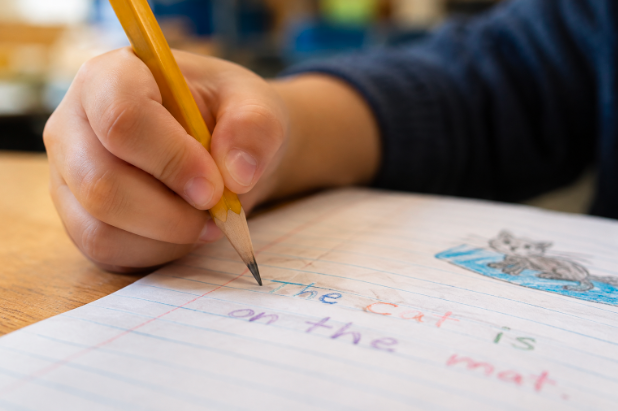


First-grade writers grow when writing feels like a regular part of the school day rather than a large, occasional task. Teachers can build that habit with short routines, clear models, meaningful choices, and materials that help children move from an idea to a finished page.
For teachers planning daily practice or a class publishing project, 1st grade writing worksheets from Studentreasures Publishing include printable activities for brainstorming, narrative, opinion, informative writing, editing, and final checks. Studentreasures Publishing supports U.S. elementary classrooms with free classbook publishing kits and teacher resources, making it a practical resource for educators who want to help young authors develop work worth sharing.
Why Writing Routines Matter In First Grade
Young children need repeated opportunities to put thoughts into words. A predictable routine reduces uncertainty because students know what comes next: think, talk, write, check, and share. Five focused minutes each day can be easier to protect than one long weekly assignment, and it gives teachers more chances to notice small gains, such as a child adding a detail, spacing words, or writing a complete thought.
Writing also connects naturally to reading and oral language. When students discuss a read-aloud, label a drawing, explain a science observation, or retell an event, they practice choosing words and organizing ideas. The goal is not perfection on every page. The goal is steady growth in communicating meaning.
Start With Speaking Before Writing
Many first graders can say more than they can write independently. Let them rehearse an idea with a partner before pencils touch paper. Prompts such as “What happened first?”, “What detail do you remember?”, “How did the character feel?”, and “What do you want your reader to know?” help children turn a broad topic into a manageable message.
Invite students to tell, sketch, then write. A classroom object, picture card, shared experience, or read-aloud can provide the spark. Oral rehearsal does not replace writing time. It gives students language they can carry into their own sentences.
Build A Simple Daily Writing Routine
A consistent five-part structure can fit into literacy, science, social studies, or morning work:
- Connect: Link writing to a text, lesson, object, or class event.
- Plan: Give students time to talk, draw, or list words.
- Write: Set a focused writing period of about five to ten minutes.
- Check: Ask students to review one target, such as capitals or end punctuation.
- Share: Let a few students read a sentence or explain a writing choice.
A weekly rhythm can keep instruction varied: personal experience writing on Monday, sentence expansion on Tuesday, content-area informative writing on Wednesday, an opinion with one reason on Thursday, and revision or sharing on Friday. Guidance from the What Works Clearinghouse emphasizes the value of daily time for students to write as part of elementary writing instruction.
Teach Three Core Types Of Writing
Narrative Writing
Ask students to describe something that happened. A simple beginning, middle, and end gives shape to the piece. Encourage details about who was there, where it happened, what people did, and how someone felt.
Opinion Writing
Begin with familiar choices, such as a favorite book, recess game, or classroom snack. Students can state what they think and add one reason: “I think recess should be longer because I like playing tag.” Sentence frames can help at first, but students should gradually make their own language choices.
Informative Writing
Invite children to explain a topic they know or have studied. Labeled drawings, shared fact charts, and classroom research help them collect information. A useful first-grade target is grouping two or three related facts around one topic.
Use Modeling And Shared Writing
Write in front of students and narrate the decisions you make. Say, “I want to tell where this happened, so I am adding ‘at the park.’” Show how to reread, cross out a word, add a detail, and try a sentence again. Shared writing, where the class helps compose a sentence or paragraph, gives children a supported bridge to independent work.
Classroom observations described in recent research on writing instruction reinforce the importance of deliberate instruction and individual writing opportunities. Make revision visible, including your own mistakes, so students understand that strong writing is developed over time.
Support Different Learners
Keep the writing goal consistent while adjusting access. Offer picture prompts, word banks, larger writing spaces, or pencil grips when useful. Allow students to orally rehearse before writing, and make sentence starters optional rather than mandatory. Multilingual learners may benefit from discussing ideas in their strongest language before composing in English. Students ready for more challenge can add transitions, precise details, or a second paragraph.
Give Feedback That Young Writers Can Use
Choose one lesson goal and respond to meaning before mechanics. Instead of correcting every spelling choice, try a brief conference: “I know where you went. What is one thing you did there?” Then give a manageable next step. A student-friendly check can ask: Does my writing share one idea? Did I add a detail? Did I begin with a capital? Did I use ending punctuation? Can I read it back?
Create A Real Audience For Student Writing
Display writing on a hallway board, pair students for author sharing, create a class newsletter, or assemble a shared book. Let children choose titles, illustrate final copies, and decide which page represents their best work. When someone else will read the piece, revision has a clear purpose.
Common Questions About First-Grade Writing
How Often Should First Graders Write?
Short daily practice is a strong starting point. The amount can vary by day, but maintaining the routine helps students see writing as something they do regularly.
What If A Student Cannot Get Started?
Narrow the task. Offer a choice of two topics, ask the student to tell the story aloud, let them draw first, or jointly write the opening words. A small entry point often leads to more independent writing.
Should Every Spelling Error Be Corrected?
No. Focus feedback on the day’s teaching goal and preserve the child’s message. Save intensive editing for selected pieces or a specific lesson on conventions.
Conclusion
First-grade writing develops through small, repeatable moments. A short conversation, a clear model, a few minutes of focused writing, and one useful piece of feedback can help children see themselves as authors. When students have time to think, write, revise, and share, their ideas gain a place on the page.