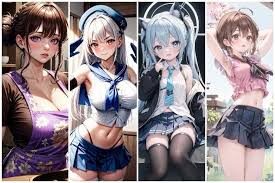


Introduction to AI Art Generator NSFW
Artificial intelligence has introduced new possibilities for digital creativity, making it easier for people to transform written ideas into visual artwork. From realistic portraits and imaginative characters to fantasy illustrations and mature-themed designs, AI-powered tools are changing how artists and enthusiasts approach image creation. One term that has gained attention in this area is AI art generator NSFW.
NSFW stands for “not safe for work,” a label commonly used for content that may be unsuitable for workplaces, public settings, or younger audiences. An AI art generator associated with this category typically refers to a tool that creates or supports mature-themed artwork, subject to its specific content policies.
These platforms combine machine learning, text prompts, and image-processing technology to generate visual compositions. Their capabilities differ in terms of artistic styles, customization options, privacy protections, and permitted content.
Understanding how these tools work helps users explore their creative potential while making responsible decisions about image quality, online safety, and appropriate use.
2. Understanding How NSFW AI Art Generators Work
AI art generators use machine-learning models to interpret instructions and produce images. Many modern systems rely on diffusion technology, which gradually transforms a noisy representation into a finished image based on learned visual patterns.
The process generally begins with a text prompt. Users describe the subject, environment, lighting, colors, and artistic style they want to see. The model processes these instructions and attempts to create an image that matches the description.
Some platforms also support image-to-image generation, allowing users to transform reference images or develop alternative versions of existing artwork.
The resulting image depends on several factors, including the model’s training, prompt quality, generation settings, and image-enhancement capabilities.
When mature themes are involved, additional restrictions may determine which prompts and outputs are permitted. Some services allow suggestive or mature artistic content, while others prohibit explicit sexual imagery entirely.
Although the technology can simplify image creation, it does not guarantee perfect results. Users may encounter visual inconsistencies, unexpected details, or compositions that require additional editing.
3. Popular Artistic Styles and Image Categories
One reason AI art generators attract creative users is their ability to produce different visual styles. Depending on the model and platform restrictions, these tools can support a broad range of mature-themed and general artistic concepts.
Realistic digital portraits focus on natural-looking lighting, facial details, clothing textures, and photographic composition. Anime-inspired illustrations feature stylized characters, expressive eyes, and distinctive visual designs.
Fantasy artwork offers opportunities to create fictional characters, elaborate costumes, mysterious environments, and imaginative landscapes. Painterly illustrations can resemble traditional painting techniques, while cinematic styles emphasize dramatic lighting and carefully arranged compositions.
Fashion-inspired artwork may focus on styling, poses, accessories, and studio environments. Character concept art can help writers, illustrators, and game designers visualize fictional personalities before developing a larger creative project.
The available styles depend on the specific generator. Some tools specialize in particular aesthetics, whereas others offer broader customization.
Experimenting with different approaches allows users to discover which visual techniques best match their creative goals.
4. The Importance of Writing Effective Prompts
Prompt writing plays an important role in AI-generated artwork. A prompt provides the instructions that guide the model toward a desired visual result.
A useful prompt usually identifies the subject, artistic style, composition, lighting, color palette, background, and level of detail.
For example, a user might request a fictional adult character in an elegant fantasy portrait, with soft studio lighting, detailed clothing, balanced composition, and a richly illustrated background.
This description provides a clear artistic direction without relying on complicated technical terminology.
Users can improve their results by experimenting with different descriptions and adjusting one element at a time. Changing the lighting or background separately makes it easier to understand how individual instructions influence the image.
Some generators also support negative prompts, which can help discourage unwanted elements such as blurry backgrounds, distorted hands, inconsistent proportions, or distracting objects.
However, these features vary between platforms, and no prompt guarantees a flawless result. Reviewing multiple generations and refining the instructions can improve consistency and overall visual quality.
5. Essential Features to Consider When Choosing a Platform
Selecting an appropriate AI art generator requires evaluating more than its ability to create images. The overall experience depends on usability, customization, pricing, privacy, and content restrictions.
A useful platform may provide multiple artistic styles, adjustable image dimensions, prompt assistance, image enhancement, and straightforward export options. Beginners may prefer a simple interface, while experienced creators might value greater control over image composition.
Generation speed is another consideration. Processing times vary according to the model, server demand, and complexity of the requested image.
Pricing structures differ as well. Some platforms provide limited free generations, while others rely on subscriptions, credit systems, or paid usage plans. Reviewing these details before signing up can help users avoid unexpected expenses.
Privacy policies deserve particular attention. Users should understand whether their prompts and uploaded images are stored, used for training, or shared with third parties.
It is equally important to review content rules. A generator may support mature artistic themes but prohibit explicit content, nonconsensual imagery, or certain depictions of real individuals.
Choosing a platform with clear policies and appropriate security measures supports a safer creative experience.
6. Benefits of AI Art Generators for Creative Users
AI art generators offer several advantages for people interested in digital illustration.
The first is accessibility. Users do not necessarily need professional drawing skills to explore visual ideas. Written descriptions can provide a starting point for developing characters, environments, and artistic concepts.
Another benefit is speed. Generating several image variations may take considerably less time than creating every concept manually. This makes AI tools useful during brainstorming and early design stages.
Artists can also use these systems to explore different color combinations, lighting arrangements, compositions, and visual styles. The resulting images may serve as references for further work rather than finished products.
Writers can use permitted AI-generated illustrations to explore fictional characters, while designers may find the technology useful for developing mood boards and preliminary concepts.
Nevertheless, AI generation has limitations. Images may contain mistakes, lack originality, or require extensive refinement. Human creativity and critical judgment remain essential when selecting, editing, and publishing the final artwork.
7. Privacy and Security When Using NSFW AI Tools
Privacy is especially important when using platforms that generate mature-themed content. Users should carefully consider what information they provide and how the service handles it.
Before uploading a photograph or reference image, it is sensible to confirm that the material can legally and ethically be used. Private photographs should not be uploaded or manipulated without appropriate permission.
Users should also examine whether a platform retains uploaded files, stores prompts, or uses submitted material to improve its models. Some services provide privacy controls, but their availability and effectiveness differ.
Using a strong, unique password and avoiding unnecessary personal information can help reduce account-security risks. Users should also be cautious about downloading unknown files or following suspicious links promoted by unverified websites.
Another consideration is image sharing. Once an image is posted publicly, controlling its future distribution may become difficult.
For these reasons, privacy-conscious behavior is an essential part of using AI art technology, particularly when the subject matter is sensitive or intended for a limited audience.
8. Ethical Considerations and Responsible Content Creation
Responsible use is central to the development of AI-generated mature artwork. While artificial intelligence creates new creative opportunities, it can also be misused to produce misleading or harmful images.
Creating sexualized images of real people without their consent can violate personal boundaries, damage reputations, and potentially break applicable laws. Users should respect individual privacy and avoid generating or distributing nonconsensual sexual imagery.
Sexual content involving minors must never be created or shared, including manipulated images or fictional depictions that sexualize minors.
Creators should also consider intellectual property rights. Using recognizable characters, copyrighted artwork, or another person’s likeness may raise legal or contractual questions depending on the circumstances and jurisdiction.
Transparency can be important when sharing AI-generated images. Clearly identifying synthetic artwork may help prevent confusion when viewers could mistake an image for an authentic photograph.
Reviewing platform policies and applicable laws before publishing content is a practical way to reduce risks.
Ethical creative practices help protect individuals while allowing artists to explore legitimate forms of digital expression.
9. Common Challenges and Limitations
Despite significant technological progress, AI art generators do not always produce the results users expect.
One common problem is visual inconsistency. Images may contain unnatural hands, distorted facial features, misplaced objects, or backgrounds that do not match the intended scene.
Another challenge involves prompt interpretation. A model may overlook certain details or combine instructions in unexpected ways. Complex compositions can be particularly difficult to reproduce consistently.
Content restrictions can also limit creative options. Different services establish different rules, and their policies may change as safety standards and regulations evolve.
Copyright and ownership questions present additional challenges. The legal treatment of AI-generated images varies across jurisdictions, and the terms of a particular platform may affect how its outputs can be used.
Finally, attractive promotional examples do not necessarily represent the quality of every generated image.
Users should therefore evaluate actual results, review licensing conditions, and understand a platform’s limitations before relying on it for important projects.
10. The Future of AI Art Generator NSFW Technology
AI image generation is likely to continue developing as machine-learning systems become more capable and creative software improves.
Future tools may provide more precise control over lighting, composition, character consistency, and localized image editing. These improvements could make it easier to refine individual details without regenerating an entire image.
Better image-enhancement techniques may also support clearer textures and more consistent visual results. Simpler interfaces could make advanced tools accessible to people with limited design experience.
At the same time, privacy, consent, licensing, and content moderation will remain important concerns. Developers will need to balance creative flexibility with safeguards against exploitation and unauthorized use of personal images.
For users interested in AI art generators NSFW, choosing a suitable platform involves evaluating its actual capabilities, content policies, security practices, and image quality.
Ultimately, AI art generation is a developing creative technology rather than a guarantee of professional results. By combining effective prompts, careful evaluation, and responsible decision-making, users can explore digital artwork while respecting the rights and safety of others.
As the technology evolves, its long-term value will depend not only on more impressive images but also on the responsible ways people create, share, and use them.