
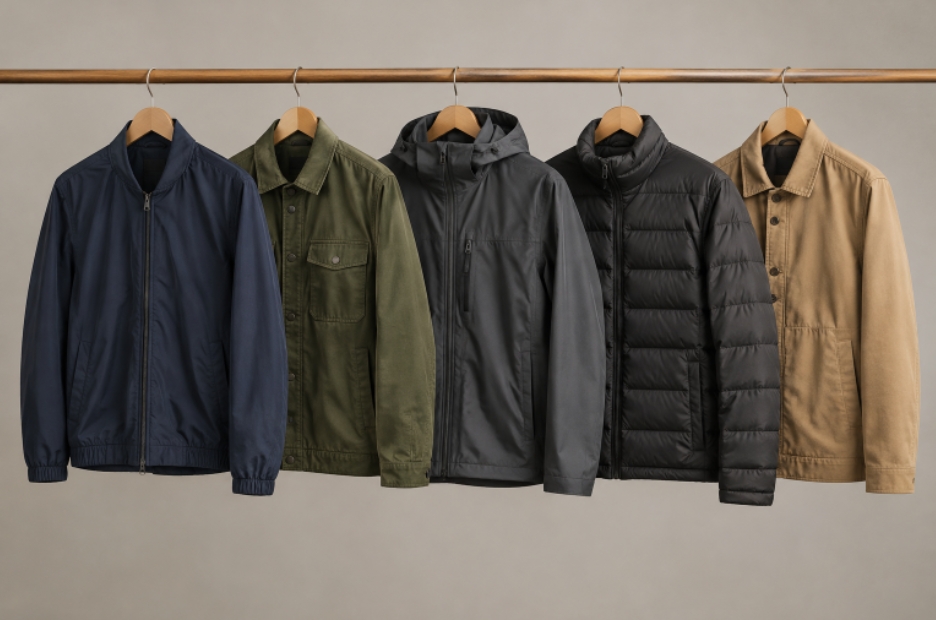
Building a practical jacket rotation starts with choosing pieces that suit different weather conditions, daily responsibilities, and personal style. A lightweight layer can work well for mild days and casual outings, while a structured jacket may be better suited to the office, dinners, or occasions that call for a more polished appearance. Rather than collecting similar styles, focus on versatility, comfort, and how each piece fits into your existing wardrobe.
A well-planned selection of men’s jackets can make getting dressed easier throughout the week. Consider factors such as fabric, fit, layering options, and seasonal needs when deciding which styles to keep on hand. By combining a few dependable options for work, weekends, and changing weather, you can create a jacket rotation that offers flexibility without taking up unnecessary closet space.
Why a Jacket Rotation Makes Daily Dressing Easier
One jacket rarely performs equally well in light rain, sharp wind, a heated office, a casual dinner, and a cold weekend outdoors. A small rotation gives you coverage across those situations without requiring a crowded closet. The goal is not to collect every style. It is to own layers that work with your existing jeans, chinos, sweaters, shirts, footwear, and routine.
Think in terms of coverage. A lightweight layer may be enough for cool mornings and casual evenings. A weather-resistant shell can handle wet commutes and travel days. An insulated jacket may be reserved for truly cold conditions. When each piece solves a different problem, getting dressed becomes quicker and more reliable.
Assess Your Climate, Schedule, and Routine
Start with a short wardrobe audit before buying another jacket. Review the temperatures you experience most often, along with rain, wind, snow, humidity, and the time you spend outdoors. A jacket that looks excellent but does not suit your usual conditions may not earn many wears.
- List the weather conditions that affect your plans during the year.
- Note your most common settings, such as commuting, office work, errands, travel, and outdoor events.
- Pull out every jacket you own and consider how often you wore each one in the past year.
- Identify overlap, such as several similar lightweight jackets, but no rain-ready option.
- Buy only when a new piece fills a genuine gap.
The Core Jackets Most Men Can Use
This framework is flexible. Someone in a warm coastal climate may need only a light layer and a rain shell, while someone in a cold inland city may depend on an insulated outer layer for months.
- Lightweight everyday layer: A simple jacket for mild temperatures, casual plans, and indoor-to-outdoor movement.
- Transitional midweight layer: A useful choice for spring and fall, especially when temperatures change throughout the day.
- Weather-resistant shell: A practical option for rain, wind, and uncertain forecasts.
- Warm insulated layer: A cold-weather piece for long outdoor periods, low temperatures, or regular winter commuting.
- Polished casual option: A cleaner, more structured layer for dinners, meetings, and occasions that call for more than a hoodie.
Match Jacket Weight to the Weather
Layering is often more adaptable than relying on one extremely heavy coat. During extreme cold, the National Weather Service advises dressing in layers and covering exposed skin, especially when wind and wet conditions increase discomfort and risk.
- Mild weather: Choose a light layer that is easy to remove once you are indoors.
- Cool weather: Add a knit, overshirt, or fleece beneath a midweight jacket.
- Rainy weather: Prioritize a shell that helps block moisture and wind.
- Cold weather: Combine a base layer, insulating midlayer, and protective outer layer.
- Changing weather: Choose pieces that can be worn open, packed away, or adjusted as the day shifts.
Check Fit, Fabric, and Practical Details
Fit
The shoulder seam should sit close to your natural shoulder line, and the jacket should allow room for the layers you normally wear. Check the sleeves as you reach forward and sit down. If the upper back feels tight or the waist bunches heavily, try another size or cut.
Fabric and Features
Compare warmth, breathability, weight, wrinkle resistance, and care needs before committing. Look for secure closures, pockets that hold essentials without sagging, cuffs that help reduce drafts, and a collar or hood that makes sense for local conditions. Read the care label before purchasing, particularly if dry cleaning or special washing would make routine care unrealistic.
Simple Outfit Formulas for Work and Weekends
- Casual weekday: T-shirt, straight-leg pants, lightweight jacket, and clean sneakers.
- Smart casual: Oxford shirt, knit layer, structured jacket, chinos, and leather shoes or boots.
- Cool-weather weekend: Long-sleeve shirt, warm midlayer, practical jacket, denim, and boots.
- Travel day: Comfortable base layer, packable outer layer, stretch pants, and walking shoes.
- Rainy commute: Quick-drying base layer, weather-resistant shell, darker pants, and water-resistant footwear.
Keep the color plan simple. Navy, olive, charcoal, brown, black, and tan usually pair easily with common wardrobe basics. One muted accent jacket can add variety, but a rotation built mostly on flexible colors will offer more combinations.
Care and Storage Tips That Extend Jacket Life
Good maintenance protects both appearance and performance. Air out lightly worn jackets before returning them to the closet, and address dirt or spills early. Use broad hangers for structured pieces, while soft padded layers can be folded if hanging stretches the shoulders. Store seasonal jackets only when they are clean and fully dry, then repair loose buttons, small tears, or damaged zipper pulls before the issue grows.
Common Jacket-Rotation Mistakes
- Buying multiple jackets that serve the same temperature range.
- Choosing style over comfort, movement, and layering space.
- Ignoring the clothing that will be worn underneath.
- Purchasing heavy insulation for a climate that rarely requires it.
- Using a delicate fashion piece for rough weather or outdoor tasks.
- Overlooking pocket placement, sleeve length, and closure quality.
- Putting damp outerwear into a dark, closed closet.
A Simple Jacket Checklist
- Does this jacket solve a real weather or lifestyle need?
- Can it work with at least three outfits already in your closet?
- Does it fit over the layers you normally wear?
- Is its fabric appropriate for the conditions you expect?
- Will it stay comfortable through a full day of movement?
- Can you care for it without unreasonable time or expense?
- Does it fill a gap rather than duplicate something you already own?
Conclusion
A capable jacket rotation does not need to be large. A few dependable layers can handle workdays, weekends, travel, and changing forecasts when every piece has a clear purpose. Current outerwear coverage continues to highlight the appeal of protective layers alongside sharper tailoring, as seen in statement coats, structured shoulders, and polished outerwear. The best wardrobe is ultimately the one that makes daily dressing more comfortable, practical, and straightforward.